

It was 1940, a time of national emergency. At the start of the Second World War, Hitler’s army ruthlessly swept across western Europe. Britain suffered devastating bombing raids and food shortages due to German blockades. Canadian farms would have to supply hundreds of thousands of tons of food to feed the troops and the starving […]
By Donté Smith
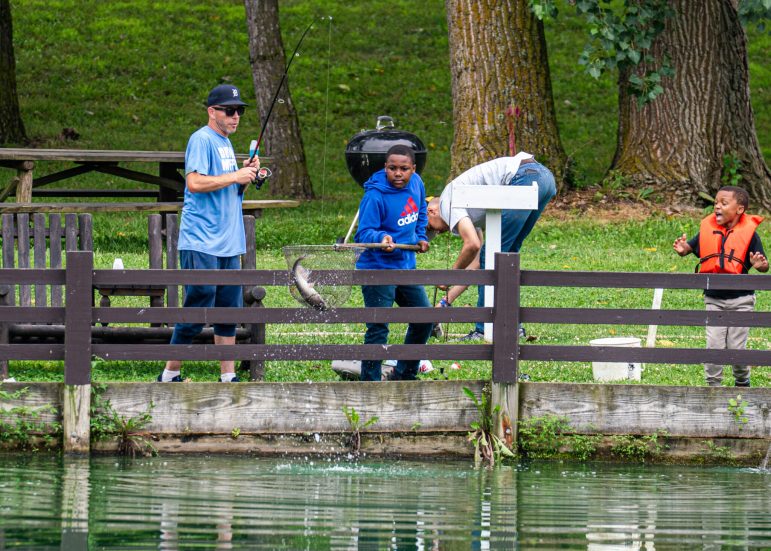
Despite being surrounded by the largest group of freshwater lakes on Earth, Michigan imports the vast majority of its seafood, between 65% and 90%, according to Michigan Sea Grant. As global aquaculture has grown to meet increasing demand for protein, a small but determined group of inland fish farmers in the Great Lakes region are building a more sustainable, local supply. Researchers say doing so could ease pressure on wild populations, create jobs in rural areas and help restore public trust in the food on their plates. But with high regulatory costs, limited consumer awareness and strong competition from imports, these farms face an uphill swim.
The post How inland fish farmers cultivate a sustainable future for the Great Lakes first appeared on Great Lakes Echo.
Interlochen Public Radio
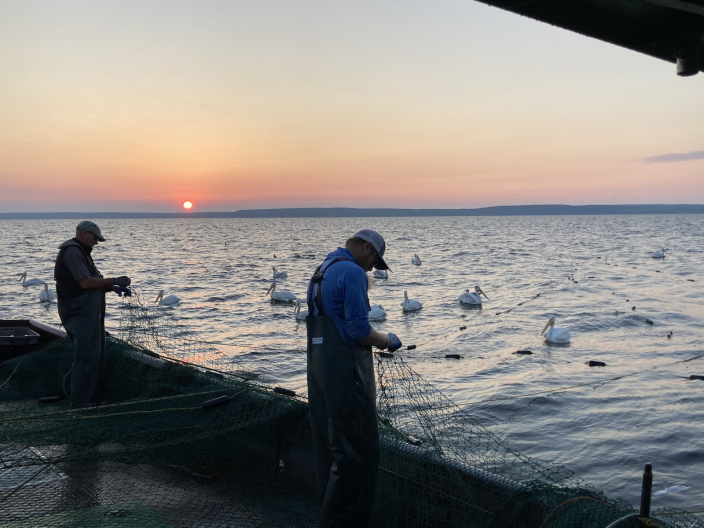
In one of the most polluted parts of Lake Michigan, whitefish are thriving. Some people wonder if we should try to replicate that environment elsewhere to save the iconic species. But that could mean doing something untested and controversial.
Interlochen Public Radio
The utility had been seeking a way out of the hydropower business. The sale could close late next year or early 2027.

In addition to farmers using them in Ontario, Quebec and Alberta, they are zapping weeds in the U.S., Europe, Australia and New Zealand
“It’s applying nutrients with a shovel instead of a spoon,” says farmer Don Bender
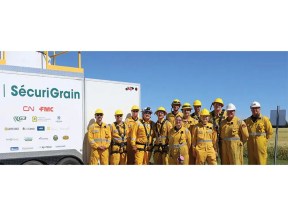
There were 27 fatalities due to asphyxiation from grain or soil on Canadian farms between 2011 and 2020

Spectators at the 28th Bruce Grey Holstein Show held Aug. 26 at the Walkerton Fairgrounds watched as Kevin McGriskin of Melancthon placed 98 head of Holsteins exhibited by breeders of Bruce, Grey and Huron counties. Grand Champion of the show was the Senior Two-Year-Old Cow class winner “Hodglynn Alpha Aspen,” exhibited by Hodglynn Holsteins of […]

The Great Lakes’ water supply is threatened by increased demand from industries like data centers and mining, coupled with climate change impacts. Data centers, attracted by tax incentives, consume vast […]
By Rachel Lewis
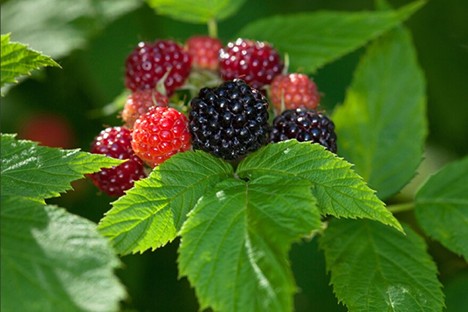
With summer in full swing, you-pick farms have been seeing customers picking their own fruits and vegetables across the state. From blueberries and strawberries to tomatoes and asparagus, many people have opted for gathering their produce themselves. For some, this food gathering goes beyond the farm. In recent years, many people have been turning to wild berry foraging. Instead of grocery stores, these foragers seek out fresh fruits, nuts and herbs from local hiking trails or even off the side of the road.
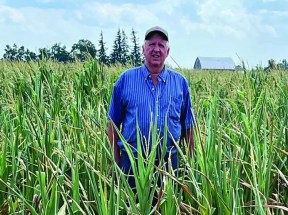
Kawartha Lakes, through Peterborough, Northumberland and Prince Edward County has received 90 per cent less than normal rain
Great Lakes Echo
By Donté Smith
The Great Lakes, a vital freshwater expanse for millions, face an ongoing environmental crisis. Beneath the vast waters lies a significant threat: pollution stemming largely from agricultural runoff. This flow of excess nutrients like phosphorus and nitrogen contributes to harmful algal blooms and expanding “dead zones,” jeopardizing ecosystems, water quality and public health across the region. Amidst these challenges, Barn Sanctuary in Chelsea, Michigan, works to make a positive impact on the region. Tom McKernan, sanctuary co-founder and operations director, wants the farm to stand as a living model where animal welfare and ecological stewardship aren’t just compatible, but linked.