
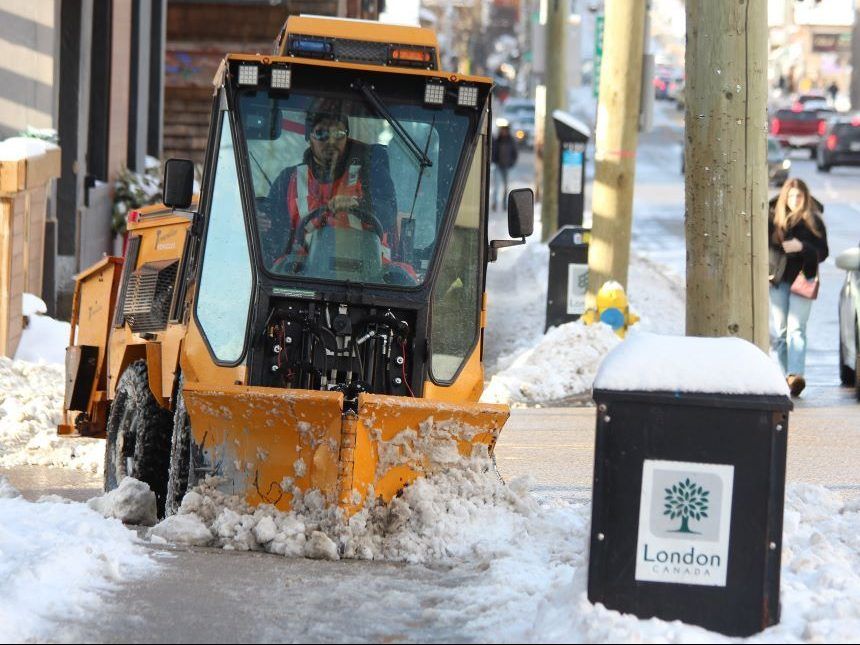
Free Press readers sound off on the topics of the day, including Ontario's education system, fatal crashes, and icy sidewalks.

By Clara Lincolnhol
The U.S. would need to invest nearly $3.4 trillion over the next 20 years to fix and update drinking water, wastewater and stormwater infrastructure, says researchers from The Value of Water Campaign. Much of that infrastructure was built 40 to 50 years ago and shows its age. Michigan’s is no exception. The American Society of Civil Engineers gave the state a D+ for its drinking water infrastructure, a D in storm water management and a C for its wastewater infrastructure. Funding is a major problem. Proposed data centers would put more stress on the infrastructure.
The post Michigan’s water infrastructure sees improvements, work still needs to be done first appeared on Great Lakes Echo.
The group held a demonstration on an Old South overpass in a bid to raise its profile and recruit new members.

London’s 14 ward councillors serving on city council in the 2026–30 term and beyond are set for a 35 per cent pay hike.
By Eric Freedman
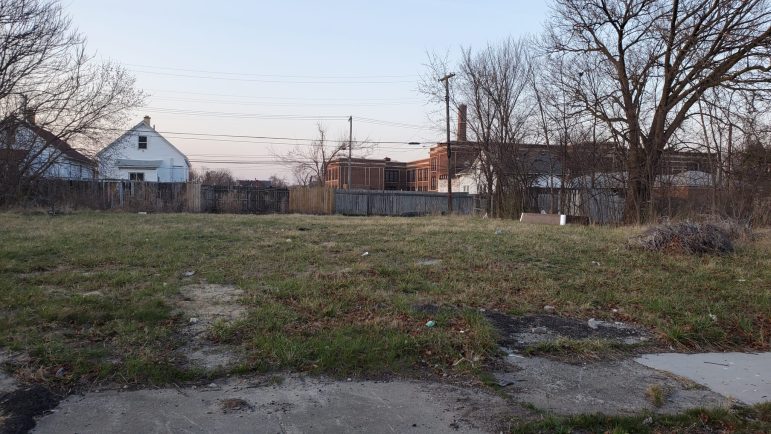
Empty lots in deindustrialized cities like Detroit may contribute to bird species diversity, says a new study by researchers at MSU and Carleton University in Canada. The study is based on sound recordings collected at 110 sites in 11 Detroit neighborhoods. The study recommends that vacant land management in the city takes a balanced approach that considers the needs of both residents and birds. There are other concerns about vacant land, too, including as sites for solar arrays.
The post Vacant lots boost diversity among Detroit’s birds, study finds first appeared on Great Lakes Echo.
There are enough Venezuelan nationalists who would be outraged by an American takeover to make Trump’s remaining years in power a misery
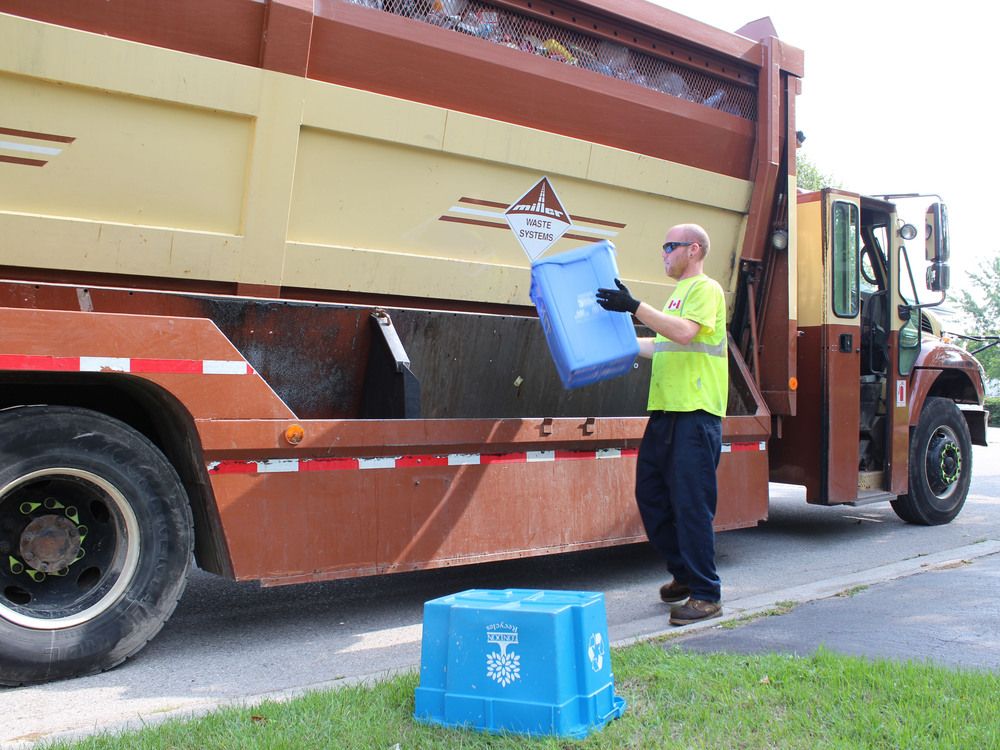
Beginning in the new year, all municipalities cities across Ontario, including London, will be absolved of their duty to pick up the contents of recycling bins.
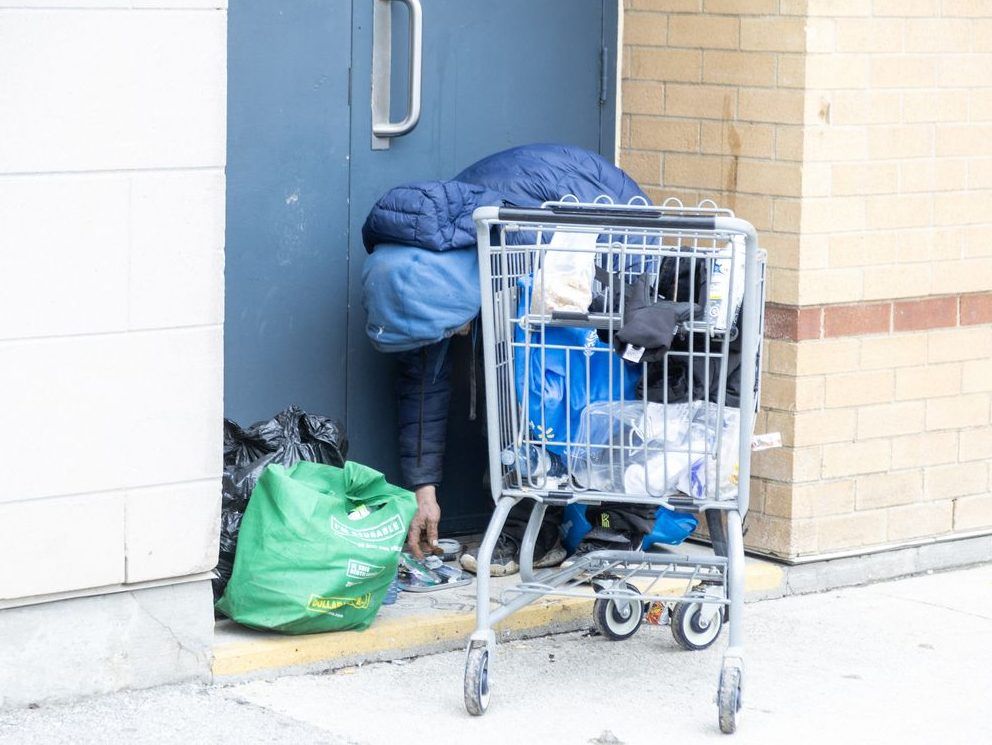
Current system promotes helplessness

Winter conditions in the Great Lakes are getting much shorter — by about two weeks fewer each decade since 1995
By Mia Litzenberg
Climate change is creating new challenges for Great Lakes coastal communities. To tackle these hazards, the Niagara Peninsula Conservation Authority launched the Lake Ontario Coastal Resilience Pilot Project last summer. Over the next four years, the project aims to engage communities in developing a coastal resilience plan.
The post New Lake Ontario initiative tackles climate hazards alongside Lakes Huron and Superior projects first appeared on Great Lakes Echo.
Joshua Gray was sentenced in 2018 for a knife-point robbery at a Sarnia pharmacy on Aug. 22, 2017.

The replica Seneca Chief, a floating museum and tribute to the original vessel that carried New York Governor DeWitt Clinton in 1825, will stop at ports in the Mohawk Valley, […]