

The U.S. Coast Guard Sector Northern Great Lakes began ice-breaking operations in the Great Lakes on Wednesday for the winter shipping season. Currently, the U.S. Coast Guard cutter Spar will […]
By Ada Tussing
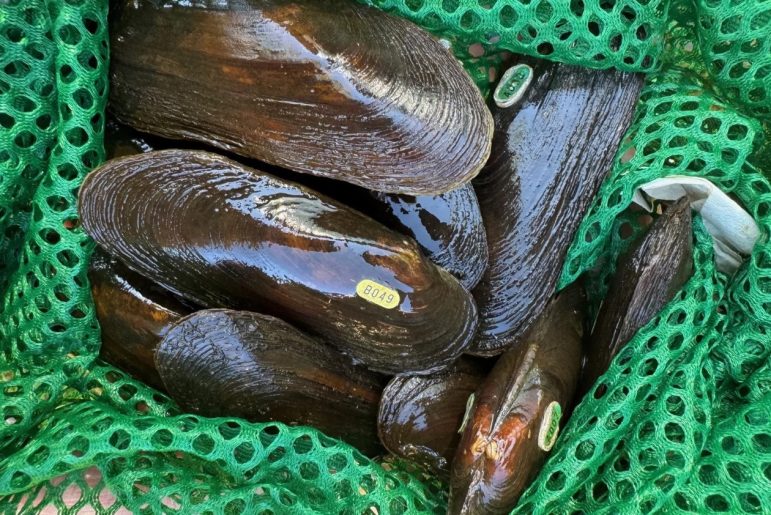
To combat the population loss of spectaclecase mussels, researchers with both the Minnesota and the Wisconsin Department of Natural Resources released over 177 mussels into the Chippewa River in Northwest Wisconsin.
The post Endangered spectaclecase mussels reintroduced into the Chippewa River first appeared on Great Lakes Echo.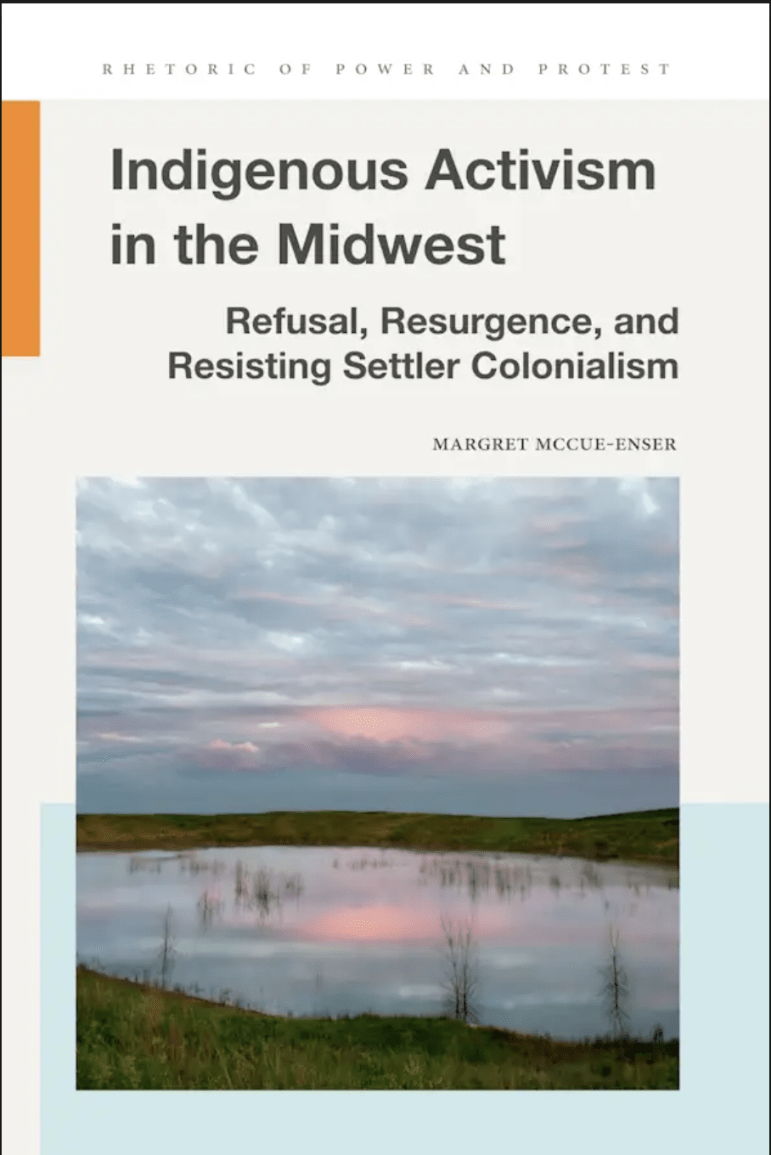
By Isabella Figueroa Nogueira
“Indigenous Activism in the Midwest: Refusal, Resurgence and Resisting Settler Colonialism” explores how Dakota and Anishinaabe communities in Minnesota continue their relationships to the land and challenge dominant settler narratives about ownership, belonging and identity.
The post ‘Refusal is insisting on your own terms’: Indigenous activism in the Midwest first appeared on Great Lakes Echo.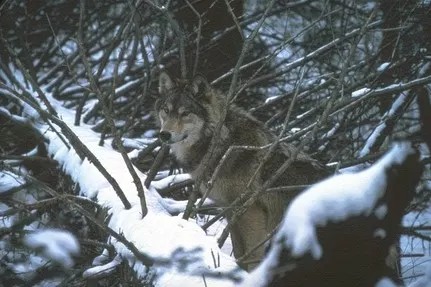
By Akia Thrower
A new study reveals how gray wolves in Isle Royale National Park seasonally alter their habitat preferences to align with beavers’ habitat preferences, a shift that might have implications for the island’s ecosystem.
The post Wolves hunt beavers in Isle Royale National Park, changing the ecosystem first appeared on Great Lakes Echo.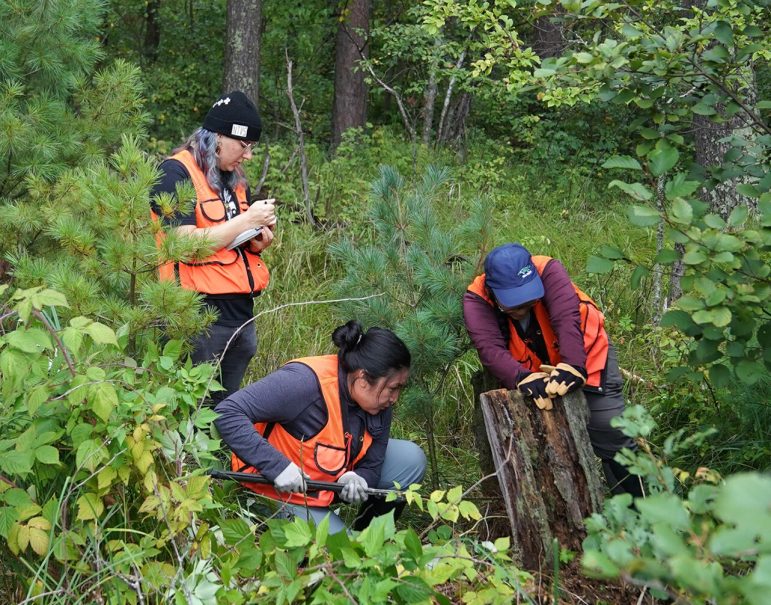
By Victoria Witke
New research shows Anishinaabe fire practices shaped today’s Great Lakes ecosystems. The region’s forests never existed and can’t continue to exist without people – or fire.
The post Anishinaabe fire practices shaped Great Lakes ecosystems, new research shows first appeared on Great Lakes Echo.
Lake trout have made a strong recovery in Lake Superior thanks to successful lamprey control. This has allowed the Fond du Lac Band to resume subsistence netting for the first […]

Duluth, Minnesota – At its Annual Meeting, held this week on the shores of Lake Superior in Duluth, Minnesota, the Great Lakes Commission (GLC) passed
For the past 40 years, the Split Rock Lighthouse near Beaver Bay, Minnesota, has observed the anniversary of the Edmund Fitzgerald’s sinking with a beacon lighting ceremony. This year’s event […]

After the U.S. Coast Guard closed its Grand Marais, Minnesota, station in 2022, the Grand Portage Band of Lake Superior Chippewa launched what’s believed to be the first Indigenous-led coast […]
Analysis of water samples collected as part of a long-term monitoring project by the Minnesota Department of Natural Resources have shown small but measurable numbers of zebra mussel larvae in […]

Lake Superior is the lone holdout in a mussel invasion that has overtaken every other Great Lake, a salvation credited to low calcium levels, cold water, and relative isolation. But […]

By Donté Smith
Butterfly populations are in decline across the continental U.S., dropping by 22% between 2000 and 2020 according to a study in the journal Science. Almost a third of the 342 species studied have seen their numbers fall by more than half. To help combat that trend, the John Ball Zoo in Grand Rapids, Michigan, launched its Great Lakes Rare Butterfly Program in 2021 to protect the region’s most threatened species.