
By Maya Moore
If Congress approves President Donald Trump’s proposal to cut hundreds of millions of dollars from the operations and science budget of the U.S. Geological Survey, the scale and intensity of Great Lakes environmental restoration will be significantly diminished, experts say. Among the programs that could be dismantled entirely is the 70-year-old program to control sea lampreys, an exotic parasitic fish that attacks game fish and has caused billions of dollars in damage to Great Lakes fisheries.

By Emilio Perez Ibarguen
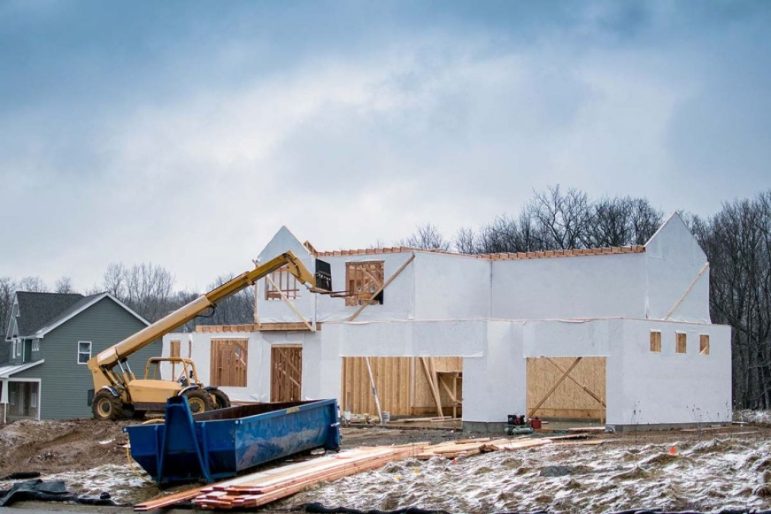
Michigan's attempt to adopt new home energy efficiency standards is facing more delays because of stiff resistance from homebuilders. The new standards were supposed to go into effect in August but are on hold while a lawsuit filed in June by representatives of the construction industry plays out in court.
Interlochen Public Radio
Cases in Benzie County, the Upper Peninsula and elsewhere demonstrate that small communities are not immune from big theft, and that the betrayal is deeply felt.
Interlochen Public Radio
The former Michigan governor worked through budget standoffs — and brief partial government shutdowns — in 2007 and 2009. She shares her thoughts.
Great Lakes Echo
By Donté Smith
The Great Lakes, a vital freshwater expanse for millions, face an ongoing environmental crisis. Beneath the vast waters lies a significant threat: pollution stemming largely from agricultural runoff. This flow of excess nutrients like phosphorus and nitrogen contributes to harmful algal blooms and expanding “dead zones,” jeopardizing ecosystems, water quality and public health across the region. Amidst these challenges, Barn Sanctuary in Chelsea, Michigan, works to make a positive impact on the region. Tom McKernan, sanctuary co-founder and operations director, wants the farm to stand as a living model where animal welfare and ecological stewardship aren’t just compatible, but linked.
Interlochen Public Radio
n vacation hotspots, schools struggle to find teachers because housing is often well beyond their pay. A bill in Lansing aims to address that.
Interlochen Public Radio
Across northern Michigan, hotel taxes generated almost $30 million for area convention and visitors bureaus. Some in Traverse City say the money should go to the county.
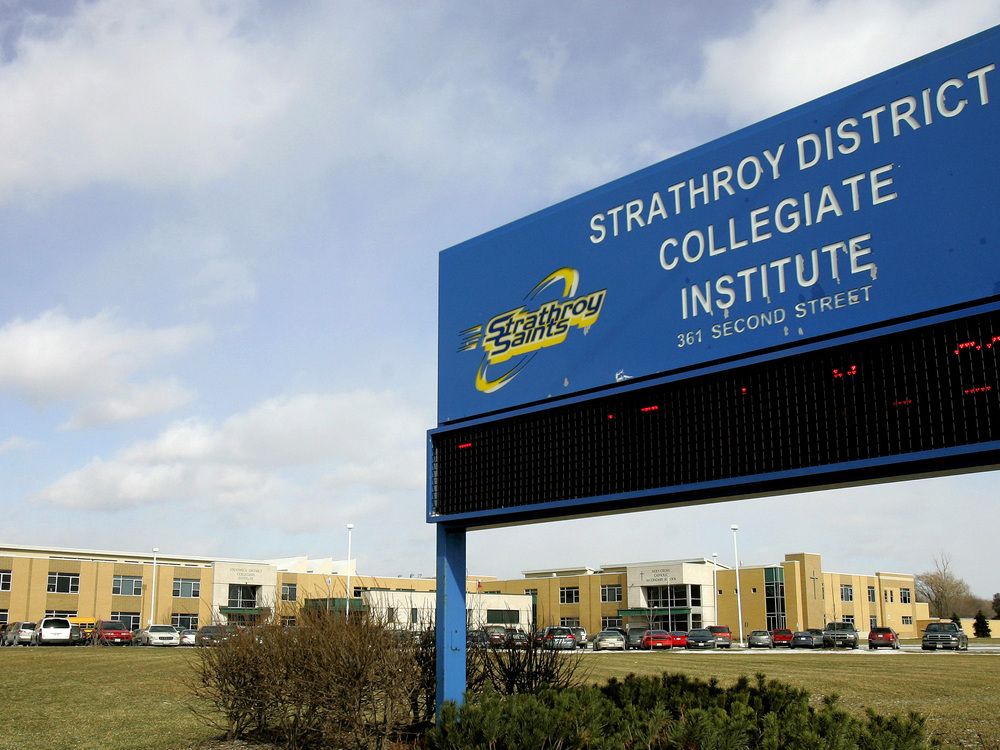
A Thames Valley District school board trustee is voicing concerns over an expensive busing policy that she says is hurting the student populations of two London-area rural schools.

U.S. tariffs are not just policy, but declarations of a new imperialistic age, where trade is a weapon, not a partnership.
A Free Press reader supports London bike paths, but does not support "dangerous bike paths."
It's time to try politics of service, of repair, of collaboration in crisis.
Interlochen Public Radio
The review is a major step toward a permitting decision on the controversial proposal to build a tunnel underneath the Straits of Mackinac. The last day for the public to comment is June 30.