

The 2025 event raised more than $200,000.

Free beginners’ scrapbooking classes are being held today (Dec. 13) at 10 a.m. and 1 p.m. in London.

By Clara Lincolnhol
The U.S. would need to invest nearly $3.4 trillion over the next 20 years to fix and update drinking water, wastewater and stormwater infrastructure, says researchers from The Value of Water Campaign. Much of that infrastructure was built 40 to 50 years ago and shows its age. Michigan’s is no exception. The American Society of Civil Engineers gave the state a D+ for its drinking water infrastructure, a D in storm water management and a C for its wastewater infrastructure. Funding is a major problem. Proposed data centers would put more stress on the infrastructure.
The post Michigan’s water infrastructure sees improvements, work still needs to be done first appeared on Great Lakes Echo.
Helping readers connect with one another, by giving thanks, looking for out-of-print books, searching for long-lost friends and more.

Charming, funny, and gregarious, he was one of London's first local celebrities who could never say no to helping friends.

The new Bruce County Cultural Directory bridges the gap between those who offer creative services and those who need them.
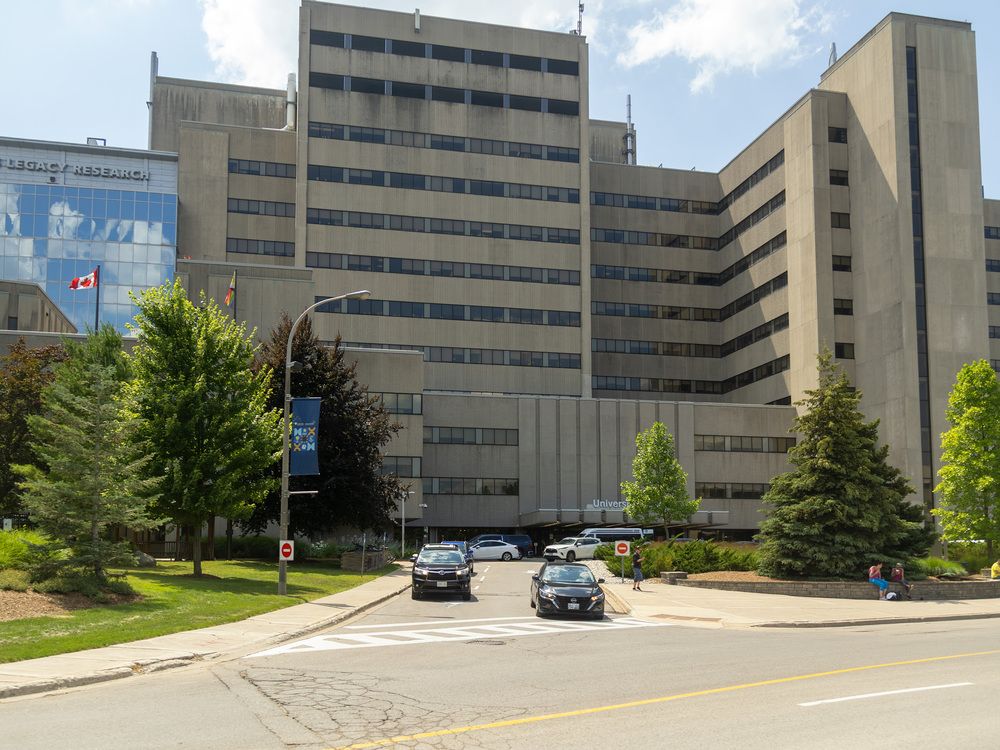
A Free Press reader writes: "I recently was admitted to University Hospital for urgent surgery and couldn’t have asked for better treatment."
By Victoria Witke
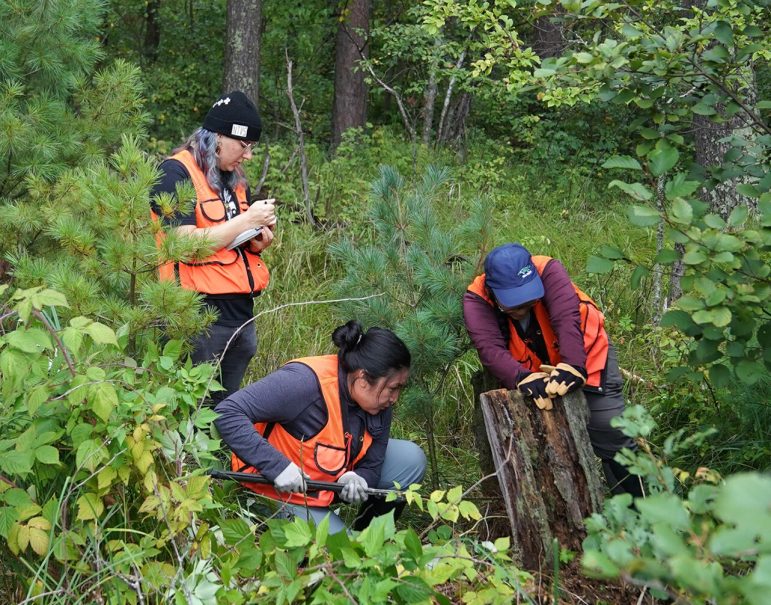
New research shows Anishinaabe fire practices shaped today’s Great Lakes ecosystems. The region’s forests never existed and can’t continue to exist without people – or fire.
The post Anishinaabe fire practices shaped Great Lakes ecosystems, new research shows first appeared on Great Lakes Echo.
Festivities marking Dia de Los Muertos, a Mexican holiday whose name translates to Day of the Dead, were held at the Beer Kitchen in London
By Eric Freedman
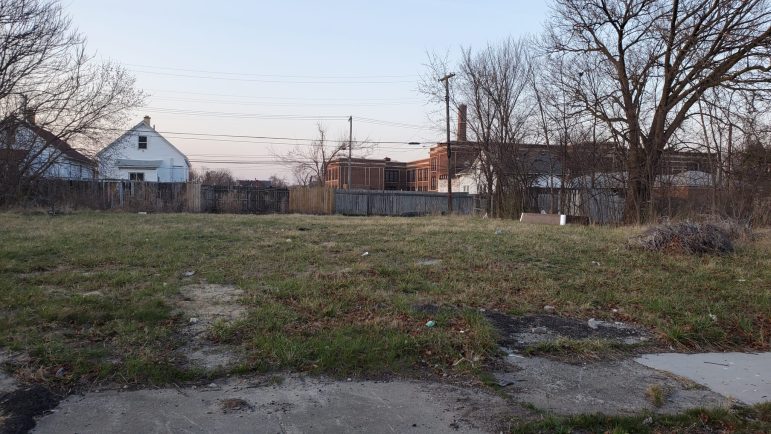
Empty lots in deindustrialized cities like Detroit may contribute to bird species diversity, says a new study by researchers at MSU and Carleton University in Canada. The study is based on sound recordings collected at 110 sites in 11 Detroit neighborhoods. The study recommends that vacant land management in the city takes a balanced approach that considers the needs of both residents and birds. There are other concerns about vacant land, too, including as sites for solar arrays.
The post Vacant lots boost diversity among Detroit’s birds, study finds first appeared on Great Lakes Echo.
Duluth, Minnesota – At its Annual Meeting, held this week on the shores of Lake Superior in Duluth, Minnesota, the Great Lakes Commission (GLC) passed

Afro Caribbean youth living in Grey and Bruce counties took centre stage at the third annual Afro Caribbean Youth Awards. “Events like the Afro Caribbean Youth Awards remind us that inclusion is not about separation, but about recognition—ensuring every young person knows their voice, culture, and contribution matter,” reads an Oct. 30 Municipality of Kincardine […]